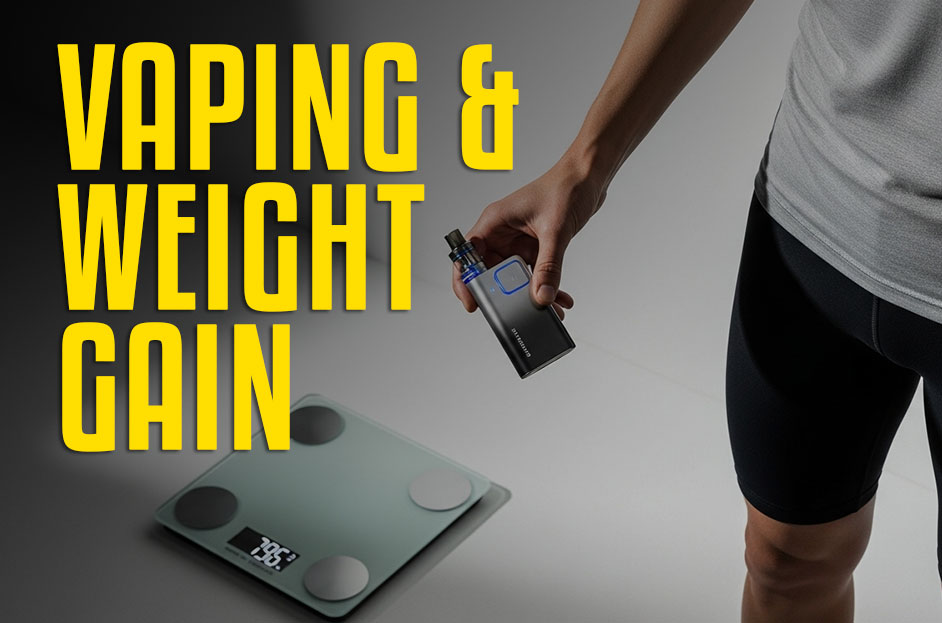
If you’ve recently started vaping or you’re thinking about making the switch, you might be wondering about how it affects your weight. Maybe you’ve heard conflicting stories from friends at your local vape shop, or you’ve noticed changes yourself and aren’t sure what’s causing them. Here’s the thing — the relationship between vaping and weight is more complex than most people realize.
After years of helping customers navigate these exact concerns, I can tell you that there’s no simple yes-or-no answer. What I’ve seen is that different people experience different effects, and a lot depends on your specific situation, the devices you’re using, and what you’re vaping. In this guide, we’ll break down everything you need to know about vaping and weight changes, backed by real experience and current research.
Does Vaping Make You Gain Weight? Here’s What Actually Happens
The short answer is: vaping itself doesn’t directly cause weight gain. In fact, nicotine — the primary substance in most e-liquids — is actually known to suppress appetite and slightly boost metabolism. What makes this complicated is that weight changes often happen when people change their vaping habits, switch from smoking, or adjust their nicotine levels.
Most vapers don’t experience significant weight changes from vaping alone. The device you’re using, whether it’s a pod system or a box mod, doesn’t impact your metabolism. E-liquid ingredients like vegetable glycerin (VG) and propylene glycol (PG) contain minimal calories that your body doesn’t absorb through inhalation the way it would through eating.
Weight changes typically happen when people modify their nicotine intake or when they’re using vaping as a replacement for other habits. Your body responds to nicotine changes, not to the act of vaping itself.
Understanding How Vaping Can Affect Your Weight: The Science and Reality
The Role of Nicotine in Weight Management
Nicotine affects your body in several ways that can influence weight. When you vape nicotine, it temporarily increases your metabolic rate by about 7-15%. That’s not huge, but it’s noticeable. It also acts as an appetite suppressant — something many vapers notice when they skip meals without realizing it.
Here’s what happens in your body:
- Nicotine triggers dopamine release, which can reduce food cravings
- Your blood sugar levels slightly increase, making you feel less hungry
- Your digestive system slows down a bit
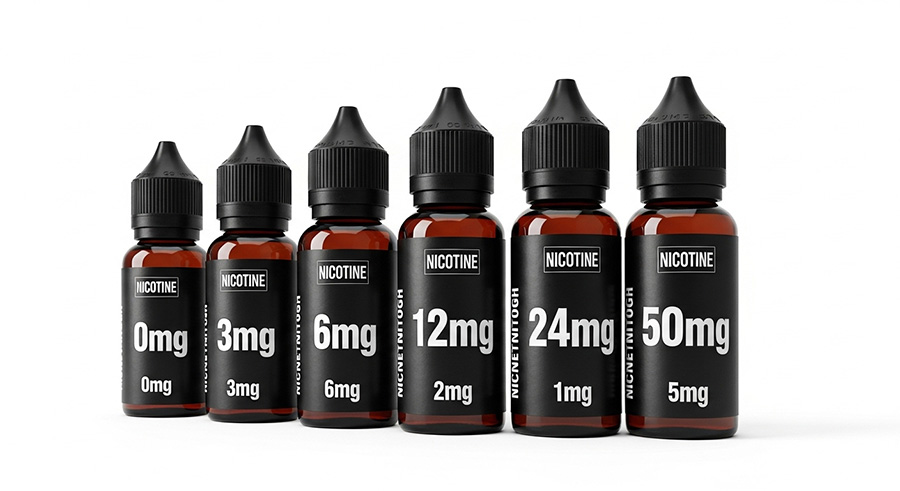
For most people using standard nicotine levels (3-6mg in freebase, 20-35mg in salts), these effects are mild. But if you’re using high-nicotine pod systems all day, the appetite suppression can be more pronounced.
E-Liquid Ingredients and Caloric Content
Let me clear up a common misconception. Yes, VG and PG technically contain calories — about 4 calories per gram. But here’s what actually matters: you’re not digesting these when you vape. The vapor enters your lungs, not your digestive system. A typical vaper might go through 5ml of e-liquid per day, which would be about 20 calories if you ate it. But you’re not eating it, and your body doesn’t process inhaled VG/PG the same way.
Sweet flavors don’t add calories either. Those candy and dessert flavors use food-grade flavorings that, again, aren’t being digested. Some people worry that sweet vape flavors might trigger sugar cravings, but I haven’t seen this consistently in practice.
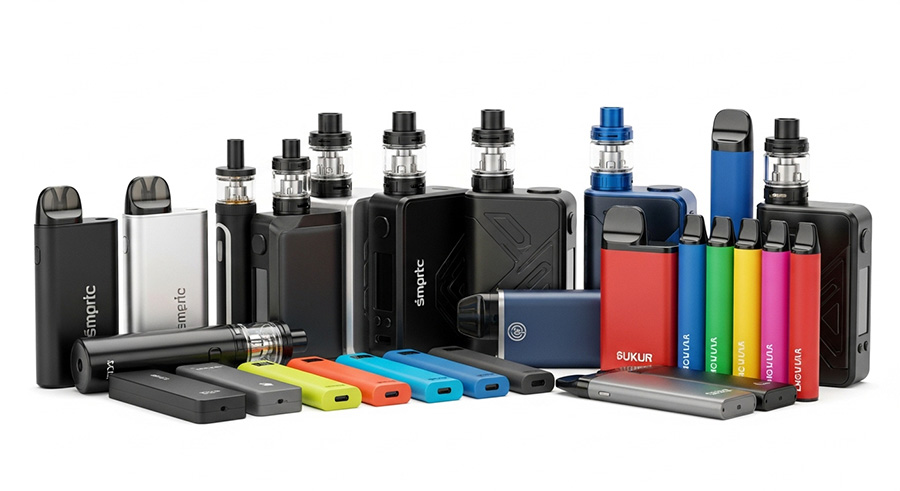
Device Types and Usage Patterns
Your device choice might indirectly affect weight through usage patterns:
Pod Systems: Usually higher nicotine, less frequent use. The concentrated nicotine hits can suppress appetite more noticeably but for shorter periods.
Sub-ohm Tanks: Lower nicotine, more frequent use. You’re vaping more liquid but getting steadier, lower nicotine doses. Less dramatic appetite effects.
Disposables: Convenient constant use can mean steady nicotine intake all day, maintaining mild appetite suppression.
What I often see is people switching devices and not adjusting their habits accordingly. Going from a 50mg salt nic pod to a 3mg sub-ohm setup is a massive nicotine reduction that your body will notice.
The Psychology of Vaping and Eating Habits
This is where things get interesting. Many vapers use their device as a replacement for snacking. Instead of reaching for chips during a Netflix binge, they reach for their vape. Others find that the hand-to-mouth action satisfies the same urge that drives mindless eating.
But it works both ways. Some people pair vaping with other activities like drinking coffee or alcohol, which can affect weight. Others find that certain flavors make them crave actual sweets.
Can Vaping Cause Weight Gain? A Step-by-Step Look at Common Scenarios
Scenario 1: Switching from Smoking to Vaping
This is huge. When smokers switch to vaping, they often gain a few pounds initially. But wait — it’s not the vaping causing this. When you quit smoking, your metabolism slows down slightly (smoking artificially boosts it), and your sense of taste and smell improve dramatically. Food suddenly tastes amazing, and you might eat more without realizing it.
The good news? Most people who switch to vaping gain less weight than those who quit nicotine entirely. You’re still getting nicotine’s appetite-suppressing effects, just through a different delivery method.
Scenario 2: Reducing Nicotine Levels
Stepping down your nicotine is great, but your body will react. Going from 50mg salts to 25mg, or from 6mg freebase to 3mg, reduces the appetite suppression you’ve gotten used to. You might find yourself hungrier than before, especially in the first few weeks.
A quick tip: time your nicotine reductions carefully. Don’t drop your nic level right before a stressful period or the holidays when you’re already dealing with food temptations.
Scenario 3: Increasing Vaping Frequency
Some people worry that vaping more often will make them gain weight from the “calories” in e-liquid. Like I mentioned, this isn’t how it works. But what can happen is that constant vaping maintains steady appetite suppression. If you suddenly stop or cut back, you might experience rebound hunger.
Scenario 4: Choosing Different Flavors
Switching from tobacco flavors to dessert flavors doesn’t add calories, but it might psychologically affect your cravings. Some customers tell me that vaping chocolate flavors satisfies their sweet tooth, while others say it makes them want real chocolate. Pay attention to how different flavors affect you personally.
Common Questions About Vaping and Weight
Why did I gain weight when I started vaping?
Usually, this happens to former smokers whose bodies are adjusting to the absence of cigarette chemicals (not just nicotine). Your metabolism is normalizing, and your improved sense of taste might be leading to increased eating. The vaping itself isn’t causing weight gain — it’s the transition period.
Can I use vaping for weight control?
I can’t recommend this, and neither would any responsible vape shop. Vaping should be about harm reduction for adult smokers, not weight management. If you’re concerned about weight, talk to healthcare professionals about appropriate strategies.
Does zero-nicotine vaping affect weight?
Without nicotine, you lose the appetite suppression and metabolic effects. Zero-nic vaping is basically just the physical habit and flavor experience. Some people find the hand-to-mouth action helps with snacking urges, but that’s purely behavioral.
Why do I feel hungrier since I switched to a lower wattage device?
Lower wattage usually means you’re getting less vapor and potentially less nicotine per puff. You might be unconsciously getting less nicotine throughout the day, reducing the appetite suppression you’re used to.
Will switching from freebase to salt nicotine affect my weight?
Salt nicotine absorbs faster and typically comes in higher concentrations. You might notice stronger but shorter-lived appetite suppression. The key is finding the right strength and usage pattern for your needs.
Do certain PG/VG ratios affect weight differently?
The ratio itself doesn’t affect weight. However, high-VG liquids produce more vapor, which some people find more satisfying, potentially reducing how often they vape. It’s an indirect effect at most.
Can vaping slow down my metabolism?
Vaping itself doesn’t slow metabolism. If anything, nicotine slightly increases it. However, if you’re using vaping to quit smoking, your metabolism will slow to normal levels as your body adjusts to not having cigarettes.
Comparing Vaping Methods: Weight Considerations
Pod Systems vs. Box Mods
Pod Systems:
- Pros: Controlled nicotine delivery, less liquid consumption, portable for active lifestyles
- Cons: Higher nicotine might suppress appetite more than desired
- Weight impact: Generally neutral, depends on nicotine strength
Box Mods:
- Pros: Customizable experience, can use very low nicotine, satisfying vapor production
- Cons: Go through more e-liquid, might vape more frequently
- Weight impact: Lower nicotine means less appetite suppression
Disposables vs. Refillable Devices
Disposables:
- Convenient constant access might maintain steady nicotine levels
- Fixed nicotine levels (usually high)
- No ability to taper nicotine gradually
Refillable:
- Can adjust nicotine levels over time
- More control over usage patterns
- Better for gradually reducing nicotine if desired
Mouth-to-Lung vs. Direct-to-Lung
MTL vaping mimics smoking more closely and typically uses higher nicotine in less liquid. DTL vaping uses more liquid with lower nicotine. Neither directly causes weight gain, but the different nicotine delivery patterns might affect appetite differently for different people.
Making Smart Choices: Vaping Without Unwanted Weight Changes
Finding Your Balance
The key to avoiding unwanted weight changes is consistency. Dramatic changes in nicotine intake, vaping frequency, or device type are what typically trigger weight fluctuations. If you’re happy with your current weight and vaping setup, stick with what works.
Transitioning Smartly
Planning to reduce nicotine? Do it gradually. Drop by small increments (50mg to 35mg, not 50mg to 20mg) and give your body time to adjust at each level. This minimizes rebound appetite effects.
Lifestyle Considerations
Remember that vaping is just one factor in your overall health. Regular exercise, balanced eating, and adequate sleep matter more for weight management than whether you’re using a pod system or a mod.
Final Thoughts on Vaping and Weight Gain
Does vaping make you gain weight? For most people, vaping itself won’t cause weight gain. The nicotine in e-liquids actually has mild appetite-suppressing effects. Weight changes usually happen when people change their nicotine intake, switch from smoking, or modify their vaping habits significantly.
What matters most is understanding your own body and how it responds to different nicotine levels and vaping patterns. If you’re switching from smoking, expect some adjustment period. If you’re reducing nicotine, do it gradually. And remember — any concerns about significant weight changes should be discussed with healthcare providers, not solved by adjusting your vaping alone.
The vaping community has tons of experience with these transitions. Your local vape shop staff have probably helped hundreds of customers navigate similar concerns. Don’t hesitate to ask questions and share your experience.