Why People Are Ditching JUUL for Better Alternatives
Let’s be real about why you’re here. JUUL built an incredible device—simple, discreet, satisfying nicotine delivery. But somewhere along the way, the costs got ridiculous and the flavor options disappeared.
I’ve talked to former JUUL users who were spending $60-80 a month just on pods. That’s more than some people’s phone bills. And after the FDA cracked down on flavors, you were basically stuck with tobacco and menthol unless you wanted to hunt down sketchy third-party options.
The battery life is another thing. That 200mAh cell dies faster than your patience in traffic. Most JUUL users I know were charging their device 2-3 times daily, which is just annoying when you’re trying to get through a workday.
Then there’s the whole proprietary pod situation. You’re locked into JUUL’s ecosystem with zero flexibility. Can’t adjust airflow, can’t choose your nicotine strength beyond what they offer, can’t refill with your own juice even if you wanted to.

Top JUUL Alternative Pod Systems Worth Your Money
After watching the pod vape market evolve for the past few years, a few clear winners have emerged. These aren’t just JUUL clones—they’re legitimate improvements that address every complaint people had.
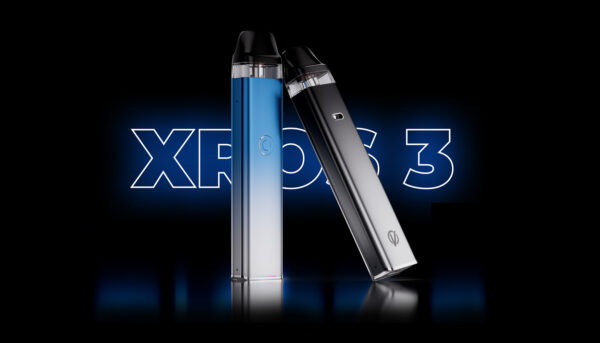
The Vaporesso XROS line has basically become the new standard. The XROS 3 and XROS 4 models hit that sweet spot between simplicity and performance. You get adjustable airflow (finally), a 1000mAh battery that actually lasts all day, and pods that handle both freebase and salt nic without leaking all over your pocket. The draw activation works flawlessly, and the mesh coil pods produce noticeably better flavor than JUUL ever did.
Caliburn devices from Uwell are another solid choice, especially the Caliburn G3 or the newer AK3 models. These things are built like tanks—I’ve seen people drop them down stairs and they just keep firing. The flavor is crisp, the pods last about a week with normal use, and the 900mAh battery gets you through a full day easily. Plus the pods are cheap, usually under $4 each when you buy them in packs.
SMOK Nord series has been around forever because they just work. The Nord 5 is probably your best bet if you want something with a little more vapor production than JUUL. It’s slightly bigger, sure, but you get a massive 2000mAh battery and the ability to swap between different coil resistances depending on whether you want mouth-to-lung or something airier.
For people who want the absolute closest thing to JUUL’s experience, the STLTH is popular in Canada and increasingly available in US shops. It’s the same ultra-simple, draw-activated design, but with way better battery life and cheaper pods. The device literally does nothing except vape—no buttons, no settings, just hit it and go.
Refillable vs Pre-Filled Pods: What Actually Makes Sense
This is where you can actually save serious money or completely waste it depending on what you choose.
Pre-filled pods are convenient—nobody’s arguing that. You swap them out in two seconds and you’re good to go. But you’re paying anywhere from $5-7 per pod, and if you’re a pack-a-day smoker who switched to vaping, you might go through 2-3 pods per week. That’s $40-80 monthly just on pods.
Refillable pods flip that economics completely. A 30ml bottle of quality salt nic juice runs about $15-20 and will refill your pod 10-15 times depending on the pod capacity. Your monthly juice cost drops to maybe $20-30, and you get to choose from hundreds of flavors instead of whatever the manufacturer decided to offer.
The tradeoff is minimal hassle. You’ll spend maybe 30 seconds every other day squirting juice into a pod. Most modern refillable pods have easy top-fill systems—no tools, no mess, just pop the rubber stopper and squeeze your bottle. The coils typically last 1-2 weeks before flavor starts getting muted.
I’ve watched the math play out with customers who switched from JUUL to refillable systems. First month, they save about $30. After six months, they’ve saved $150-200. After a year, they’ve basically paid for a new laptop with the money they didn’t spend on overpriced proprietary pods.
Some devices give you both options, which is honestly the smartest move. Grab pre-filled pods when you’re traveling or just feeling lazy, then use refillable pods for daily use. The Vaporesso XROS and newer Caliburn models both support this hybrid approach.
Nicotine Salt Options Beyond JUUL’s Limited Flavors
JUUL’s 5% (59mg) pods hit hard, no question. But the flavor selection is basically a graveyard now after all the regulatory pressure. Tobacco, menthol, and that’s about it unless you’re buying from questionable sources.
The salt nic juice market is completely different. You’ve got literally hundreds of brands making thousands of flavors, and the quality has gotten ridiculously good. Companies like Naked 100 Salt, Pod Juice, and Juice Head make stuff that’s legitimately better than what JUUL ever offered.
Nicotine strengths are way more flexible too. You can get salt nic in 20mg, 35mg, or 50mg depending on how much throat hit you want. Former pack-a-day smokers usually do fine with 35-50mg. If you were a lighter smoker, 20-25mg might be plenty and will save your throat from that harsh feeling.
The flavor categories are pretty standard—fruits, menthols, desserts, tobaccos, and beverage flavors. Most people who switch from JUUL end up settling on a couple of fruit flavors for daily use and maybe a menthol for variety. Mango, strawberry, and watermelon flavors are consistently popular because they don’t get boring after a week like some of the dessert flavors can.
Quality matters more with refillable juice than with pre-filled pods. Stick to established brands that use proper ingredients—pharmaceutical-grade nicotine, USP propylene glycol and vegetable glycerin, food-grade flavoring. Cheap gas station juice will gunk up your coils faster and taste like chemicals.
One thing to watch: some cheaper juices use higher VG ratios (70/30 or 60/40 VG/PG), which can be too thick for small pod systems and cause dry hits. For devices like the XROS or Caliburn, you want 50/50 VG/PG ratio salt nic juice. This keeps the viscosity right for those small wicking ports in pod coils.
Battery Life Comparison: All-Day Devices vs Constant Charging
JUUL’s 200mAh battery is honestly kind of a joke by today’s standards. If you’re a moderate vaper, you’re looking at 4-6 hours before you need to find a charger. Heavy users? Maybe 2-3 hours. I’ve had customers tell me they keep a JUUL charging in their car, another at their desk, and one at home just to make it through the day.
Modern alternatives have completely solved this problem. The standard battery capacity for pod systems now is 800-1000mAh minimum, with some going up to 2000mAh. That’s 4-10x the capacity of JUUL, which translates to actual all-day battery life for most users.
The Vaporesso XROS 4 has a 1000mAh battery that’ll get most people through a full day and into the next morning. The SMOK Nord 5 with its 2000mAh cell can go 2-3 days for moderate users. Even heavy vapers who go through 5-6ml of juice daily can make it through a work shift without anxiety about their device dying.
Charging speeds have improved too. Most devices now use USB-C instead of that proprietary magnetic charger JUUL uses. You’ll go from dead to full in 45-60 minutes instead of the 90 minutes JUUL needs. And since USB-C is universal, you can use the same cable that charges your phone or laptop instead of keeping track of yet another proprietary charger.
Pass-through charging is common now too—you can vape while the device is plugged in, which JUUL never allowed. This is clutch if you’re working from home or doing a long gaming session and don’t want to pause every few hours.
Battery life directly impacts how many devices you need to own. JUUL users often bought 2-3 devices just to rotate through them. With something like an XROS or Caliburn, one device is plenty for most people. That’s another $30-50 you’re not spending on backup devices.

Cost Breakdown: Monthly Expenses Compared
Let’s do the actual math because this is where JUUL really hurts your wallet.
JUUL monthly costs:
- Device: $10-20 (one-time, but people buy multiples)
- Pods: Four-pack costs about $15-16
- Average user goes through 2 packs per week = $30-32/week
- Monthly pod cost: $120-128
- Total monthly: $120-130+
Refillable pod system monthly costs:
- Device: $25-40 (one-time)
- Replacement pods/coils: $4-5 per pod, lasting 1-2 weeks = $8-20/month
- Salt nic juice: 30ml bottle at $15-20, lasting 2-3 weeks = $20-40/month
- Total monthly: $30-60
You’re looking at saving $60-90 every single month. Over a year, that’s $720-1,080 back in your pocket. After two years, you’ve saved enough for a decent vacation or a new laptop.
Even if you go with pre-filled pods on an alternative system, you’re still saving money. Most third-party pre-filled pods for devices like the XROS cost $4-5 instead of JUUL’s $7-8 per pod. That’s a 30-40% reduction right there.
The initial device cost is slightly higher for quality alternatives—$25-40 instead of JUUL’s $10-20—but you make that back in saved pod costs within the first month. And these devices last longer since they have replaceable components instead of JUUL’s sealed design.
For people who vape heavily, the savings are even more dramatic. I’ve talked to former JUUL users who were spending $200+ monthly and got that down to $50-70 with a refillable system. That’s life-changing money for a lot of people.
Throat Hit and Nicotine Satisfaction: What Actually Matches JUUL
JUUL’s nicotine salt formula hits different—anyone who’s tried it knows exactly what I’m talking about. That immediate throat hit and rapid nicotine absorption is what made it so effective for smokers trying to quit.
The good news is that nicotine salt technology isn’t proprietary to JUUL. Most quality salt nic juices use the same benzoic acid formulation that makes nicotine salts smooth yet satisfying. The throat hit comes from the nicotine concentration and PG ratio more than anything else.
50mg salt nic in a 50/50 PG/VG juice will hit almost identically to JUUL’s 5% pods. The slight differences you notice are more about the device’s coil resistance and airflow than the juice itself. A 1.0-1.2 ohm coil in a tight mouth-to-lung setup mimics JUUL’s draw very closely.
Some people actually prefer the throat hit from devices like the Caliburn because you can adjust the airflow. Tighten it down and you get that restricted, cigarette-like draw. Open it up a bit and you get slightly more vapor with less harshness. JUUL gives you zero control over this.
The nicotine absorption speed is comparable across all pod systems when using salt nic. You’ll feel it within 30-60 seconds just like JUUL. The main difference is that with refillable systems, you can fine-tune your nicotine strength. If 50mg is too harsh, drop to 35mg. If it’s not hitting hard enough, you can go up to 55mg or even 60mg with some brands.
One thing former JUUL users notice: some cheaper devices produce a hotter vapor that makes the throat hit feel harsher even at lower nicotine levels. Quality pod systems like the XROS use mesh coils and better wicking that keeps the temperature consistent, giving you that smooth JUUL-like experience.
According to the CDC, nicotine is highly addictive regardless of delivery method, so choosing a device based on nicotine satisfaction is about harm reduction, not elimination of addiction. If you’re using these devices to quit smoking, that’s a net positive. If you’re starting from zero nicotine use, that’s obviously not recommended.

Device Durability and Build Quality Issues to Avoid
JUUL devices are pretty solid physically—they’re simple enough that there’s not much to break. The main failure point is the battery degrading after 6-8 months of daily charging, and those contact pins that get gunked up with pocket lint.
Alternative devices have more components, which means more potential failure points, but also means they’re repairable instead of disposable. The build quality varies wildly depending on the brand.
Vaporesso and Uwell make devices that can take a beating. I’ve seen XROS devices dropped from second-story balconies that still worked fine. The aluminum alloy construction is way more durable than JUUL’s plastic shell. Caliburn devices have similar durability—the G series especially can survive pocket abuse that would destroy cheaper devices.
SMOK has a mixed reputation for quality control. Their devices work great when they work, but you’ll occasionally get a dud with a faulty battery or loose connection. Buy from a shop that’ll exchange it if you get a lemon, not from some sketchy online seller.
The cheapest pod systems (under $20) are usually garbage. Thin plastic construction, inconsistent firing, pods that leak constantly, batteries that die after a month. You’re better off spending $30-40 on a quality device that’ll last a year or more.
Common durability issues to watch for:
- Loose pod connections that cause misfires
- USB-C ports that wear out or break off
- Airflow sensors getting clogged with condensation
- Auto-draw activation failing and needing button press
- Leaking pods due to bad O-rings
Most quality devices have 6-month warranties minimum. Keep your receipt and register the device if the manufacturer offers it. I’ve seen companies replace devices with defects no questions asked, but you need proof of purchase from a legitimate retailer.
Pod longevity varies by device. JUUL pods are sealed, so they last until they’re empty—no maintenance. Refillable pods need coil changes every 1-2 weeks depending on your juice and vaping frequency. Higher VG juices and sweet flavors kill coils faster. If you’re getting burnt taste or muted flavor, it’s time for a new pod or coil.
Where to Buy JUUL Alternatives (And Where to Avoid)
This matters more than people realize. Where you buy your device affects everything from warranty support to getting authentic products versus knockoffs.
Local vape shops are your best bet for quality devices and immediate support. You can ask questions, try different devices (sometimes), and they’ll usually help troubleshoot issues. Plus you’re supporting local business instead of some mega-corporation. Prices might be $5-10 higher than online, but you get that human expertise and customer service.
Online vape retailers like Element Vape, VaporDNA, and EightVape are legit if you know what you want. Prices are usually better than local shops, selection is huge, and shipping is fast. Just make sure they’re asking for age verification—any site that doesn’t check your age is sketchy and probably selling counterfeit products.
Gas stations and convenience stores are hit-or-miss. They usually carry only disposables and the most basic pod systems at inflated prices. The guy behind the counter probably can’t answer detailed questions, and good luck getting warranty support. Fine for emergency backup device, not great for your main setup.
Places to absolutely avoid:
- Random sellers on Amazon or eBay (tons of fakes)
- Sketchy websites with too-good prices (counterfeit central)
- Street vendors or flea markets (zero accountability)
- International sites shipping from China (customs issues, no warranty)
Counterfeit pod systems are a real problem, especially for popular devices like the Caliburn. Fake devices look similar but use cheaper components that can fail dangerously. They might have batteries that don’t have proper protection circuits, or coils made with who-knows-what materials.
How to spot fakes:
- Suspiciously low prices (40-50% below normal retail)
- Spelling errors on packaging
- Missing authentication codes
- Lighter weight than authentic devices
- No official manufacturer website listed
Most legit manufacturers now use authentication codes. You can scratch off a sticker on the box and verify the code on the company’s website. Takes 30 seconds and confirms you got a real product. If there’s no authentication system or the code doesn’t work, that’s a red flag.
Check out internal link placeholder for more info on spotting counterfeit vape products.

Common Problems Former JUUL Users Experience (And Solutions)
Switching from JUUL to another system isn’t always seamless. Here are the issues people run into and how to fix them.
Pods leaking everywhere: JUUL pods rarely leak because they’re sealed. Refillable pods can leak if you overfill them, don’t seat them properly, or get juice in the center airflow tube. Solution: Fill to the max line only (not above), make sure the silicone stopper is fully closed, and if you get juice in the mouthpiece, blow through it (without firing) over a paper towel to clear it.
Weak throat hit or flavor: If you switched from 5% JUUL to 3% salt nic, yeah, it’ll feel weaker. Bump up to 5% (50mg) salt nic. Also check that your pod isn’t old—coils lose performance after a week or two. Flavor gets muted before you get burnt taste, so if it’s been 10+ days, swap to a fresh pod.
Battery dying too fast: If your 1000mAh device is dying in 6 hours, either your coil resistance is too low (using a 0.6 ohm coil instead of 1.0-1.2 ohm), or you’re taking way longer drags than you did with JUUL. Shorter puffs preserve battery and juice. Also, extreme cold kills battery life—keep your device at room temp when possible.
Device not firing consistently: Usually means the pod connection is dirty or the auto-draw sensor needs cleaning. Remove the pod and use a cotton swab with a tiny bit of rubbing alcohol to clean the contact points. Let it dry completely before using. If it’s an auto-draw device, condensation can clog the sensor—try using the button activation if it has one, or gently blow into the device (without a pod installed) to clear moisture.
Going through juice too fast: JUUL pods hold 0.7ml and you probably made them last 1-2 days. Most refillable pods hold 2ml, so you might think they last longer, but people tend to vape more when refilling is easy and cheap. Consciously taking the same number of puffs you did with JUUL helps. Also, some devices have adjustable wattage or airflow—if you’re running it wide open, you’re consuming more juice.
Too much vapor in public: JUUL’s vapor production was super discreet. Some alternatives produce way more visible vapor, which can be awkward at work or in public. Solution: Get pods with higher resistance (1.2 ohm or higher), keep airflow tight, and take shorter puffs. Or just embrace the slightly bigger clouds—it’s still way less than a box mod.
Adapter anxiety: Some people get weirdly anxious about refilling pods or changing coils because JUUL was so mindlessly simple. Real talk: if you can put windshield washer fluid in your car, you can refill a vape pod. It takes less than a minute and you do it every 2-3 days. After a week it becomes automatic.
Frequently Asked Questions
What’s the closest device to JUUL in terms of simplicity?
The STLTH and Vaporesso XROS Mini are nearly identical to JUUL in simplicity. Both are draw-activated with no buttons or settings to adjust. The STLTH uses pre-filled pods just like JUUL, while the XROS Mini works with either pre-filled or refillable pods. If you want zero learning curve, these are your best bets.
Can I use JUUL pods in other devices?
No, JUUL pods are proprietary and only work with JUUL devices. However, several companies make JUUL-compatible pods that fit the JUUL device but cost less than authentic JUUL pods. These are usually available at vape shops and come in flavors JUUL no longer offers. Quality varies, so stick to known brands like EONSMOKE or Ziip.
How long do refillable pods last before needing replacement?
Refillable pods typically last 1-2 weeks with normal use before the coil degrades and flavor gets muted. Heavy vapers might need to replace them weekly. Sweet e-liquids with lots of sucralose kill coils faster—sometimes in just 3-5 days. If you’re getting burnt taste or significantly reduced vapor, it’s time for a new pod. Most pods cost $3-5 each when bought in multi-packs.
Is 50mg nicotine salt too strong if JUUL 5% felt fine?
JUUL 5% pods contain 59mg of nicotine, so 50mg salt nic is actually slightly weaker. Most former JUUL users find 50mg to be perfect—it delivers the same throat hit and satisfaction. If JUUL felt too strong, try 35mg. If you want something slightly more intense, some brands offer 55mg or 60mg salt nic, though anything above 50mg is getting into very high territory.
Why does my new pod system taste burnt on the first hit?
This usually happens because the coil wasn’t properly primed before use. When you install a new pod, let it sit for 5-10 minutes so the cotton wick fully saturates with e-liquid. Taking a few short puffs without firing (just drawing air through) also helps prime the coil. If you fire it immediately, the dry cotton burns and ruins the coil permanently. Some people take one very short puff first to test, then wait if it tastes even slightly dry.
Are pod systems allowed on airplanes?
According to FAA regulations, vape devices and batteries must be carried in carry-on luggage only, never in checked bags. Remove the pod before going through security to prevent leaking due to pressure changes. You cannot use or charge the device on the plane. E-liquid bottles must follow the 3-1-1 rule (3.4oz or less in a quart-size bag). Different countries have different rules, so check local regulations for your destination.
What’s the shelf life of nicotine salt e-liquid?
Unopened bottles stored in cool, dark conditions last 1-2 years before nicotine starts degrading significantly. Once opened, use within 3-6 months for best flavor and potency. Exposure to light, heat, and air accelerates nicotine oxidation. If your e-liquid turns darker or develops a peppery taste, the nicotine has oxidized and potency has decreased. Store bottles in a drawer or cabinet away from windows and heat sources.